


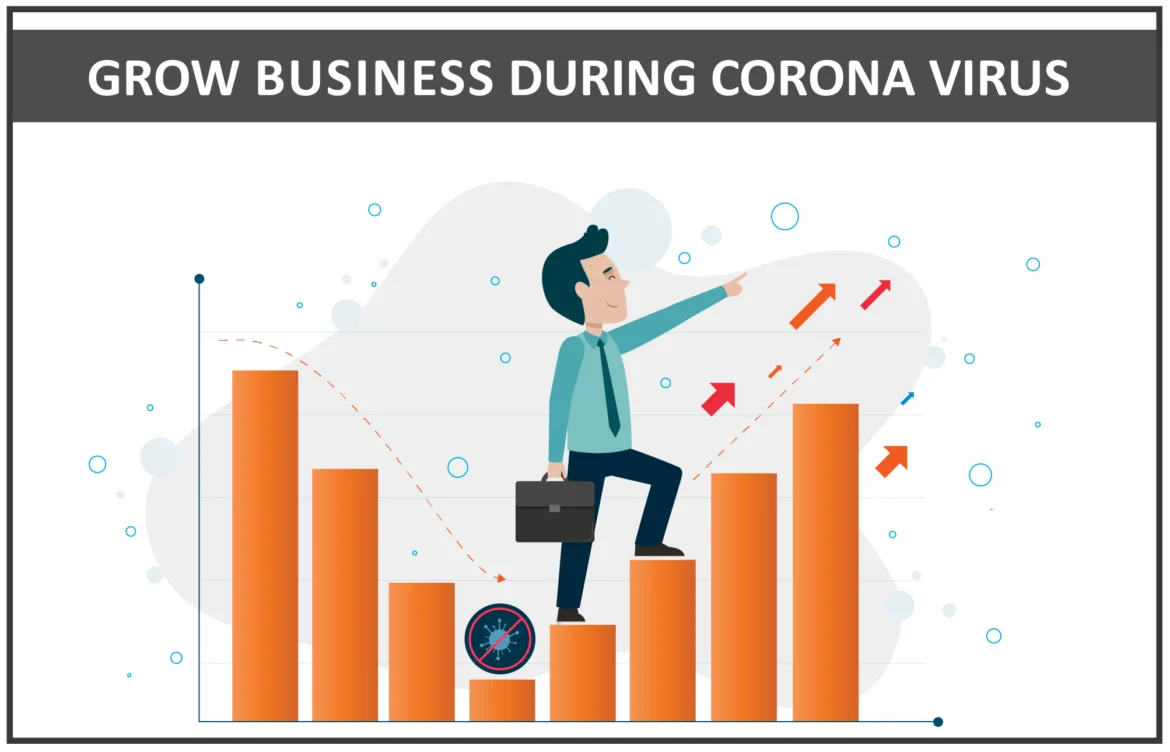
How to navigate your business digitally during this pandemic ?
A pandemic can disrupt almost every part of a business, from customer visits and sales to daily operations and communication. When physical interactions become difficult or impossible, having a strong digital presence can help a business continue serving customers and generating opportunities.
Learning how to navigate your business digitally during a pandemic is not simply about creating a website or posting on social media. It means building a practical digital system that allows customers to find you, contact you, buy from you, and stay connected with your brand even when normal business operations are disrupted.
Whether you run a local shop, professional service, restaurant, educational business, healthcare practice, or e-commerce company, the right digital strategy can help you remain visible and accessible during uncertain periods.
Why Digital Transformation Matters During a Pandemic
When customers cannot visit a physical location easily, their buying journey often moves online. They may search Google for a product, check reviews, visit a website, compare prices, send a WhatsApp message, or place an order online before making a decision.
This creates an important opportunity for businesses. Instead of relying entirely on physical footfall, you can create digital channels that keep your business connected to customers.
A practical digital strategy should help you answer five basic questions:
- Can customers find my business online?
- Can they understand what I offer?
- Can they contact me easily?
- Can they purchase or book my services online?
- Can I continue communicating with existing customers?
If the answer to several of these questions is no, your business may need to strengthen its digital foundation.
How to Navigate Your Business Digitally During a Pandemic
1. Build or Improve Your Business Website
Your website becomes especially important when customers cannot easily visit your physical location. It acts as your digital storefront and gives customers a reliable place to learn about your products, services, pricing, business hours, and contact options.
A useful business website does not need to be complicated. It should be easy to navigate, mobile-friendly, fast, and focused on helping visitors take the next step.
Depending on your business, that next step could be:
- Calling your business
- Sending a WhatsApp enquiry
- Booking an appointment
- Requesting a quotation
- Ordering a product
- Signing up for an online service
If your existing website is outdated, difficult to use, or not generating enquiries, consider website redesign services to improve its structure, usability, and conversion opportunities.
2. Make Your Business Easy to Find on Google
Having a website is only one part of being digitally visible. Customers also need to find your business when they search for relevant products or services.
This is where search engine optimization becomes important. A well-planned SEO strategy can improve your visibility for searches related to your products, services, location, and industry.
For example, a local bakery might target searches such as:
- Bakery near me
- Online cake delivery in Delhi
- Birthday cakes in Noida
- Eggless cake delivery near me
A service business could target searches such as:
- Digital marketing company in Delhi
- AC repair service near me
- Online accounting services in India
The goal is not to rank for every possible keyword. The goal is to appear when potential customers are actively looking for what you provide.
For businesses that depend on local customers, Local SEO services can be particularly useful. Optimizing your Google Business Profile, business information, location pages, reviews, and local content can make it easier for nearby customers to discover and contact you.
3. Move Products and Services Online Where Possible
Not every business can become fully digital, but many can move at least part of their customer journey online.
A restaurant can accept online orders. A clothing retailer can launch an e-commerce store. A consultant can offer video consultations. A fitness trainer can provide online classes. A tutor can conduct lessons through video conferencing.
Think about your existing customer journey and identify which steps can happen digitally.
For example:
A traditional service business might work like this:
Customer visits office → discusses requirement → receives quotation → makes payment.
A digital version could be:
Customer finds website → fills enquiry form → receives online consultation → receives quotation by email → makes digital payment.
The second process can continue even when physical visits are restricted.
4. Strengthen Your E-Commerce Presence
If you sell physical products, an e-commerce channel can provide an additional way to reach customers when store visits decline.
Your online store should make the buying process simple. Product pages should include clear images, accurate descriptions, pricing, availability, delivery information, and straightforward payment options.
Search visibility is also important for online stores. Product pages need useful content and a logical structure so that search engines and customers can understand what you sell.
If online sales are an important part of your business, explore e-commerce SEO to improve the organic visibility of your product and category pages.
5. Keep Customers Updated Through Social Media
During a crisis, customers want accurate and timely information. If your operating hours change, delivery takes longer, a service becomes temporarily unavailable, or you introduce a new online option, communicate the change clearly.
Use the social platforms where your customers are already active. Depending on your audience, this could include Instagram, Facebook, LinkedIn, YouTube, or other relevant channels.
Your content does not need to be complicated. Useful updates can include:
- Changes in business hours
- New delivery or pickup options
- Online consultation availability
- Product availability updates
- Frequently asked questions
- Safety and operational updates
- Helpful educational content
During uncertain periods, useful information often works better than constant promotional messages. Customers remember businesses that communicate clearly and helpfully.
6. Offer Digital Customer Support
If customers cannot visit your office or store, make it easy for them to reach you remotely.
Depending on your business model, you can use:
- Phone calls
- Website enquiry forms
- Live chat
- Video consultations
- Social media messages
Try to maintain consistent response times across these channels. A customer who receives a quick response on one platform but waits several days on another may move to a competitor.
7. Protect Your Existing Customers
Acquiring new customers can become more difficult when markets are uncertain. That makes customer retention especially important.
Stay connected with existing customers through useful emails, social media updates, newsletters, loyalty offers, product information, or personal follow-ups where appropriate.
For example, a local fitness studio that cannot conduct physical classes could provide online sessions to existing members rather than simply waiting for normal operations to return.
The objective is not to sell something every time you communicate. Maintaining the relationship can be just as important.
8. Review Your Digital Advertising Budget
A pandemic can change customer behaviour quickly. Some products may experience increased demand while others may see demand decline.
Review your advertising campaigns regularly instead of allowing campaigns to run unchanged.
Ask:
- Are customers still searching for this product or service?
- Are the advertisements generating qualified enquiries?
- Has the cost of acquiring a customer changed?
- Are customers abandoning the buying process?
- Should the budget move toward products with stronger demand?
Digital advertising can provide useful data, but spending more money does not automatically solve a weak offer or poor customer experience. Your website, landing pages, pricing, messaging, and follow-up process should support the campaign.
9. Use Data to Make Better Decisions
One of the advantages of digital channels is that you can measure customer behaviour more easily.
Track practical metrics such as:
- Website traffic
- Search impressions
- Phone calls
- Form submissions
- Online purchases
- Conversion rate
- Social media engagement
- Customer acquisition cost
Do not focus only on traffic or social media followers. A smaller audience that generates qualified leads can be more valuable than a large audience that never becomes customers.
A Simple Digital Business Plan for a Pandemic
If your business is starting from scratch, you do not need to implement everything at once. A simple phased approach can make the transition easier.
- Audit your current presence: Check your website, Google Business Profile, social media accounts, online listings, and customer communication channels.
- Fix the basics: Make sure your contact information, services, prices, business hours, and location details are accurate.
- Improve your website: Make it mobile-friendly, easy to navigate, and focused on conversions.
- Start SEO: Identify the searches your potential customers use and create useful pages around those needs.
- Add online transactions: Introduce online booking, payments, ordering, consultations, or delivery wherever practical.
- Communicate regularly: Keep customers informed about changes and new ways to work with your business.
- Measure performance: Review leads, sales, traffic, and customer behaviour regularly.
- Adapt: Change your digital strategy as customer demand and business conditions change.
Common Digital Mistakes Businesses Should Avoid During a Pandemic
Moving online quickly can create problems if the strategy is not planned properly. Some common mistakes include:
- Creating a website and then ignoring it: Your website should be updated when your products, services, pricing, or operating conditions change.
- Posting without a clear purpose: Social media activity should support customer communication, awareness, trust, or sales.
- Ignoring local search: Local businesses should keep their Google Business Profile and location information accurate.
- Making the buying process complicated: Too many steps can cause customers to abandon an enquiry or purchase.
- Depending on one platform: Do not build your entire digital presence around a single social media platform.
- Ignoring customer feedback: Reviews, questions, complaints, and enquiries can reveal what customers actually need.
How a Digital Marketing Strategy Can Help Your Business Stay Flexible
A strong digital presence is not only useful during a pandemic. It can make your business more adaptable in general.
SEO can help you build long-term search visibility. A professional website can provide information and generate enquiries around the clock. Social media can help you maintain customer relationships. E-commerce can create an additional sales channel. Online consultations can expand your service area.
The key is to build these channels around your actual business goals rather than adopting technology simply because it is popular.
If you need to improve your overall online presence, Techventers provides digital solutions including SEO, website development, social media marketing, PPC, content, and creative services. You can also contact Techventers to discuss your business requirements.
Frequently Asked Questions
How can I navigate my business digitally during a pandemic?
Start by building a reliable online presence through a professional website, Google Business Profile, SEO, social media, online customer support, and digital payment or ordering options. Then measure results and adapt the strategy based on customer behaviour.
Does every business need an e-commerce website during a pandemic?
No. An e-commerce website is most useful for businesses that sell products online. Service businesses may benefit more from online booking, consultations, enquiry forms, digital payments, or virtual service delivery.
Why is SEO important for businesses during a pandemic?
SEO helps potential customers discover your business when they search online for products, services, or local businesses. Unlike a temporary announcement, useful SEO content can continue attracting relevant search traffic over time.
How can local businesses attract customers online?
Local businesses should maintain accurate Google Business Profile information, collect genuine customer reviews, optimize their website for local searches, publish useful local content, and make contact options easy to find.
How can small businesses sell online during a pandemic?
Small businesses can use an e-commerce website, online marketplaces, social media, messaging apps, online payment systems, and local delivery services. The best option depends on the products, customers, budget, and operational capabilities of the business.
Should I continue digital marketing during a pandemic?
In most cases, businesses should not completely abandon digital marketing. Instead, review demand, customer behaviour, and budget. Reduce activities that are no longer effective and focus on channels that continue to generate useful visibility, enquiries, or sales.
Conclusion
Learning how to navigate your business digitally during a pandemic is about creating a business that can continue communicating, selling, and serving customers even when traditional operations are disrupted.
Start with the basics: a reliable website, strong search visibility, clear customer communication, online service options, and measurable marketing activities. You do not need to transform everything overnight. Focus first on the digital channels that have the strongest connection to your customers and revenue.
Most importantly, treat digital transformation as an ongoing business strategy rather than a temporary response to a crisis. The systems you build to stay connected during difficult periods can continue helping your business attract customers, generate leads, and grow long after the disruption has ended.